Tourist locations across the world could become targets, warns Iran
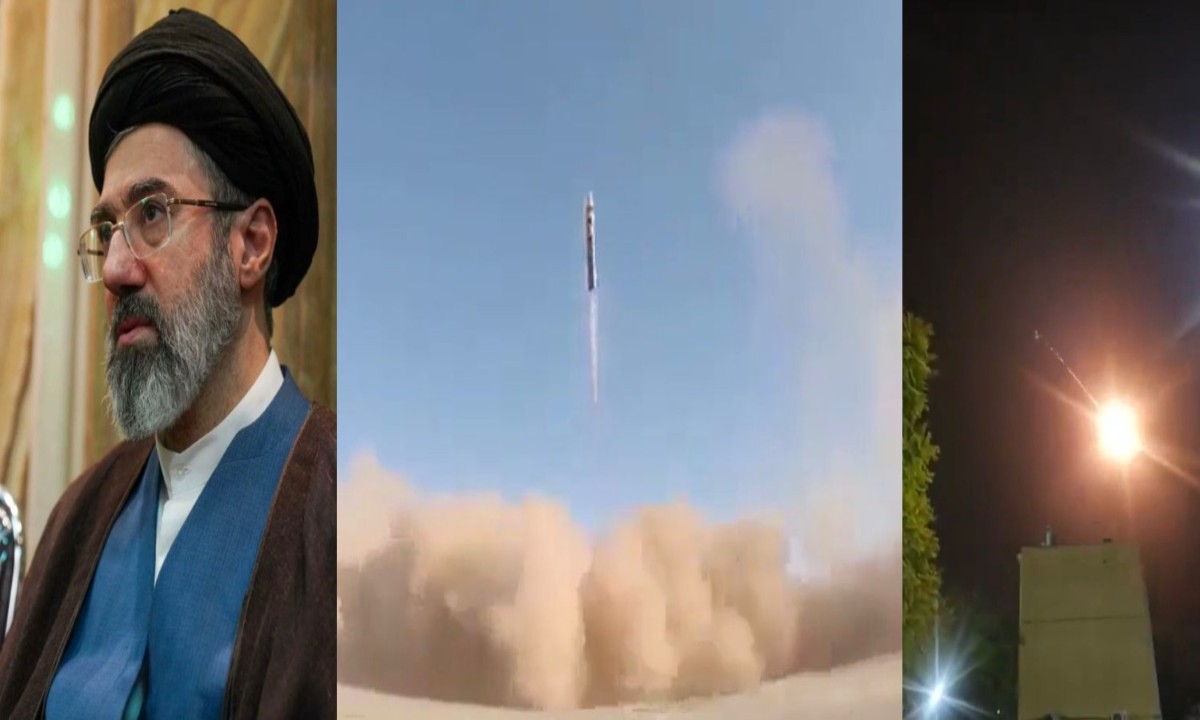
Iran has issued a stark warning that recreational spaces and tourist locations across the world could become targets, underlining its defiance nearly three weeks into an escalating conflict with the United States and Israel.
The warning comes even as sustained airstrikes have severely hit Iran’s military leadership, energy assets, and weapons infrastructure. Despite these setbacks, Tehran has signalled it is far from backing down—and insists it continues to produce and stockpile missiles.
Threats widen beyond the battlefield
Iran’s military leadership indicated that the conflict may not remain confined to the Middle East. A senior defence spokesperson warned that areas considered safe—such as parks and tourist hubs—could be at risk for countries seen as adversaries.
The statement has heightened concerns that Iran may increasingly rely on indirect or unconventional tactics, including attacks outside the immediate conflict zone.
Conflicting claims over military damage
The scale of damage to Iran’s capabilities remains unclear. While US and Israeli officials claim significant degradation of Iran’s air force, navy, and missile systems, Iranian authorities dispute these assertions.
Tehran maintains that missile production continues uninterrupted, even under wartime pressure, and suggests it is prepared for a prolonged conflict rather than a quick resolution.
At the same time, the leadership structure within Iran appears uncertain following the reported deaths of several top officials in recent strikes. The country’s new supreme leadership has largely stayed out of public view, adding to the ambiguity.
Strikes hit energy infrastructure across Gulf
The conflict has increasingly spilled over into the wider Gulf region. Iran has stepped up attacks on energy facilities in neighbouring countries after strikes targeted its own gas infrastructure earlier in the week.
Oil installations in countries such as Kuwait, Saudi Arabia, and Bahrain have faced drone or missile threats, with some incidents leading to fires and disruptions. Air defence systems were also activated in major cities, including Dubai, as incoming projectiles were intercepted.
The escalation has raised fears about the vulnerability of critical energy infrastructure in one of the world’s most important oil-producing regions.
Festivals overshadowed by conflict
The latest developments coincided with major religious and cultural observances. While many in the Middle East marked Eid al-Fitr, the end of Ramadan, celebrations were disrupted by air raid sirens and explosions.
In Iran, the Persian New Year, Nowruz, was observed in a subdued manner, reflecting the uncertainty and tension within the country.
Global economy begins to feel the strain
Beyond the immediate conflict zone, the economic impact is becoming increasingly visible.
A key concern is the Strait of Hormuz, a narrow but crucial shipping route through which roughly one-fifth of the world’s oil supply passes. Any disruption here has immediate global consequences.
Oil markets have already reacted sharply. Brent crude prices have surged above $100 per barrel, marking a steep rise since the conflict began.
The spike in energy costs is feeding into broader inflation pressures. Higher fuel prices are expected to push up transportation and manufacturing costs, eventually impacting food and consumer goods.
Supply chains are also under stress. Key industrial inputs such as helium—used in semiconductor production—and sulfur, a critical component in fertilisers, are facing disruptions. This could lead to shortages and further price increases across sectors.
Uncertain endgame
Despite the intensity of the conflict, there are few signs of how or when it might end. The stated goals of the US and Israel—ranging from weakening Iran’s military capabilities to triggering internal political change—have yet to show clear results.
For now, Iran’s posture suggests it is preparing for a drawn-out confrontation, even as the risks extend far beyond the region—impacting global energy security, trade flows, and economic stability.
Popular Categories
Read More Articles
Travel and Tourism
Tourism, Religious Sites in Ghaziabad Get Boost With New Projects by Awadh 360° Desk March 14, 2026
Travel and Tourism
Iran War Costing Middle East's Tourism Industry $600 mn A Day: Report by Awadh 360° Desk March 11, 2026
Travel and Tourism
As live events boom, India’s hotels see new engine of growth by Awadh 360° Desk March 8, 2026
India
From Hitchhiking Teen to Global Traveller: Bihar’s Shubham Kumar Covers 197 Nations at 24 by Awadh 360° Desk March 3, 2026